Native Nature Art: A Designer's Review for Personalized Gifts
When I first opened the Native Nature Art machine embroidery design, I knew immediately this was a file I would be stitching again and again. As someone who runs a small custom embroidery shop and frequently tests designs for Etsy listings and client previews, I have learned to spot a keeper within minutes of digitizing. Native Nature Art offers a mood that sits somewhere between organic elegance and handmade warmth. It does not feel overly sweet or childish, yet it has enough charm to appeal to new parents and wedding gift shoppers alike. The detail level is moderate, which means it stitches cleanly on most fabrics without overwhelming the eye. For a personalized gift business, this is exactly the kind of embroidery file that builds trust with customers and elevates the perceived value of the finished product.
First Impressions of Native Nature Art
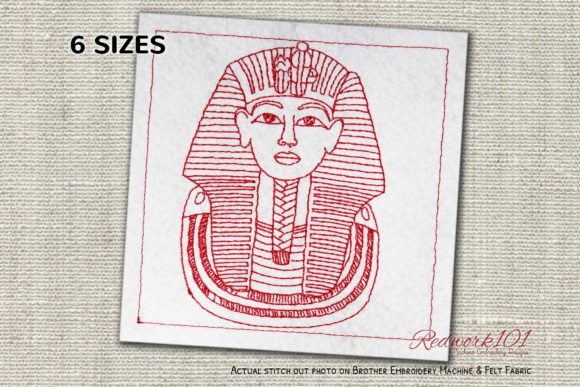
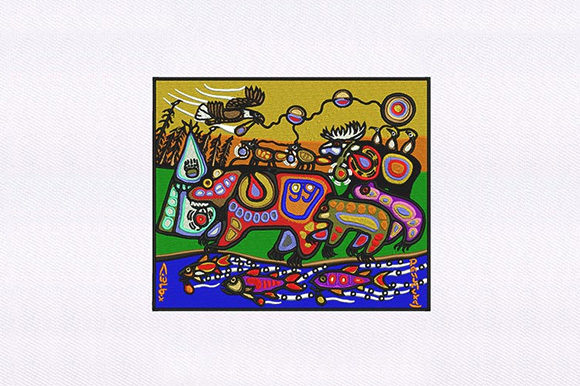
The first thing I noticed was how naturally the design flows. Whether you are stitching it onto a baby blanket, a kitchen towel, or a pillow cover, the layout feels balanced and intentional. The motifs carry a subtle African-inspired aesthetic, which gives the piece a cultural depth without being loud or difficult to pair with other elements. I tested a quick mockup on light fabric and then on dark fabric, and the contrast worked beautifully in both cases. The design reads clearly from a distance, which is essential for products like tote bags and aprons that will be seen in public. At the same time, the stitching holds up to close inspection, which matters for wedding keepsakes and nursery items where customers expect heirloom quality.
For an Etsy seller or small shop owner, this design offers a versatile foundation. You can pair it with monogrammed lettering, or let it stand alone as a statement piece. The mood is simultaneously classic and modern, and it feels especially appropriate for customers who want a meaningful gift with a handmade feel. I could easily see this design used on a burp cloth set for a baby shower, or on a linen towel for a housewarming gift. The emotional appeal is genuine without being sentimental, and that is a hard balance to strike in machine embroidery design.
Where This Design Shines in Gift Embroidery
After stitching several test samples, I identified the product categories where Native Nature Art performs best. If you are a personalized gift creator, this design belongs in your active rotation. Here are the applications I recommend:
- Baby embroidery: Blankets, bibs, onesies, and burp cloths all benefit from the gentle curves and balanced composition. The design is not too large for newborn items, and it does not overpower small garments.
- Wedding gifts: Pillow covers, linen towels, and keepsake bags embroidered with this design feel intentional and luxurious. Couples who appreciate artisan details will notice the quality.
- Family keepsakes : Tote bags, aprons, and kitchen linens become cherished items when this design is added. The cultural resonance adds a layer of storytelling that buyers love.
- Nursery decor: Wall hangings, crib sheets, and decorative pillows look polished with this embroidery. The design complements both neutral and bold nursery color schemes.
- Craft fair products: If you sell at markets, this design stands out on handmade towels and aprons. Customers are drawn to the unique aesthetic, and it photographs well for your booth displays.
I also tested it on a custom tote bag for a client who wanted a meaningful gift for a new mother. The finished product looked like something you would find in a boutique. The thread colors I chose were warm earth tones, and the stitch density held up beautifully on the medium-weight cotton. If you are an Etsy seller looking for a design that converts browsers into buyers, this one is worth adding to your digital inventory.
Careful Considerations Before Stitching
No design is perfect for every application, and Native Nature Art has a few areas where caution is wise. I always recommend testing on scrap fabric before committing to a customer order, and this design is no exception. Here are the specific situations where you should proceed carefully:
- Small lettering: If you plan to add custom text near the design, keep the font size large enough to read clearly. The design itself does not include tiny details, but pairing it with very small lettering can create visual clutter.
- Delicate details: While the overall stitch density is reasonable, some of the finer elements may not show well on heavily textured fabric. Test on a sample before stitching on thick towels or fleece blankets.
- Textured fabric: Terry cloth, bouclé, and waffle weave can obscure the design. Use a quality stabilizer and a test stitch to confirm the design reads clearly.
- Thick towels: Bath towels require extra attention to hoop tension and stabilizer choice. I suggest using a tear-away stabilizer and a larger hoop to avoid distortion.
- Stretchy baby clothes: Onesies and knit fabrics need a cut-away stabilizer to prevent puckering. The design is not too dense, but stretchy substrates can still cause registration issues.
- Curved surfaces: If you are embroidering on a curved item like a baby cap or a rounded bag, check that the design fits within the flat area of the hoop. Distortion on curves is a common pitfall.
- Dark fabric: The design works well on dark fabric, but you may need to adjust thread colors for contrast. Light or bright thread colors will pop, while dark tones may disappear.
- Frequent washing: Products like kitchen towels and baby blankets will be washed often. Pre-shrink your fabric and use a quality stabilizer to ensure the design remains crisp after multiple cycles.
Taking these precautions will save you time, thread, and frustration. A small investment in testing pays off with happy customers and fewer returns.
How Native Nature Art Elevates Giftability and Perceived Value
In my experience, the best embroidery designs are the ones that make the finished product feel like a handmade product rather than a mass-produced item. Native Nature Art accomplishes this with its authentic, culturally inspired motifs. When a customer receives a gift with this design, they perceive thoughtfulness and care. The design itself signals that the giver took time to select something unique. For a small shop product, this translates directly into higher perceived value and a stronger emotional connection.
Product photography is another area where this design excels. Because the motifs are distinct and well-proportioned, they photograph beautifully on everything from a pillow cover to an embroidered towel. If you sell on Etsy, you can use a printable mockup to show customers how the design will look on their chosen product. I have found that listings with clear, attractive mockups convert better, and this design makes that easy. The visual appeal also supports buyer engagement customers stop scrolling, click through, and ask questions about customisation.
For commercial embroidery businesses, the design's versatility means you can offer it across multiple product categories without needing to adjust the file. This saves time and reduces the number of samples you need to stitch. Whether you are creating a wedding gift set or a baby embroidery collection, Native Nature Art adds a cohesive look that ties your product line together.
Practical Embroidery Notes for Reliable Results
Here are the specific steps I follow when stitching this design for customer orders. These notes apply whether you are using an industrial machine or a home embroidery system:
- Test on scrap fabric: Always stitch a sample on the exact fabric you plan to use for the final product. This verifies thread tension, stitch density, and design placement.
- Check thread color contrast: Hold your thread colors against the fabric before stitching. Contrast is critical for the design to read clearly, especially on dark or busy fabrics.
- Confirm hoop size: The design requires a hoop that accommodates the full motif without crowding. Check the dimensions in your software before hooping to avoid trimming issues.
- Review stitch density: While the density is generally moderate, overly dense areas can cause fabric puckering. If you notice any trouble spots, adjust your stabilizer or reduce speed.
- Use proper stabilizer: For most woven cottons, a medium-weight tear-away stabilizer works well. For knits and stretchy fabrics, switch to cut-away stabilizer to maintain shape.
- Compare light and dark fabric mockups: Stitch one sample on light fabric and one on dark fabric. This helps you see how the design behaves with different backgrounds and informs your thread colour choices.
- Check small details after stitching: Inspect the finished embroidery under good light. Look for any skipped stitches, loose threads, or areas where the design did not register clearly.
- Confirm commercial licensing: Before selling finished products with this design, verify that your license allows commercial use. The product listing includes embroidery file formats such as 10O, ART, CND, DSB, DST, DSZ, EXP, JEF, PES, TAP, VIP, and VP3, but licensing terms are not always specified in the file description. Check the seller's policy to ensure you are covered.
Following these steps has helped me avoid costly mistakes and maintain a reputation for quality. When you stitch Native Nature Art, the results are consistent and professional, which is exactly what your customers expect from a custom embroidery order.
Final Thoughts on Adding Native Nature Art to Your Shop
If you are an embroidery maker, a gift shop owner, or a digital product seller looking for a design that resonates with today's buyers, Native Nature Art is a strong addition to your library. It works across baby embroidery, wedding gift projects, and everyday home accessories. The design is not overly complicated, yet it carries enough visual interest to feel special. It threads the needle between being a quick stitch for production orders and a meaningful piece for bespoke gifts.
I have added it to my active rotation for blanket embroidery, pillow cover orders, and custom tote bags. The response from clients has been positive, and I appreciate how easily it adapts to different fabric types. For anyone selling handmade product lines or running an Etsy seller shop, this design offers reliability and emotional appeal in equal measure. The Africa category inspiration is present without being overwhelming, and the embroidery quality holds up to professional standards.
Before you stitch your first customer order, take the time to test on your preferred fabrics, confirm your hoop size, and verify your thread colors. With those steps completed, Native Nature Art will serve you well across many seasons and many gift occasions. It is the kind of design that makes your shop look curated and your customers feel understood.