Gambling Casino Embroidery Design Review: Real Project Insights
When I first opened the Gambling Casino embroidery design, I wasn’t sure what to expect. The name suggests a bold, high-stakes theme, but the actual file turned out to be more playful than I anticipated. The five colors are well chosen—rich reds, blacks, and golds with a few accent tones—and the layout feels balanced without being cluttered. For a designer who regularly works with custom apparel and handmade products, this design has a clear personality: it’s fun, slightly retro, and built for projects that need a touch of attitude. Whether you’re stitching it for a poker night sweatshirt or a casino-themed tote bag, the first impression is that it knows exactly what it wants to be.
Mood and Visual Personality: More Than Just Luck
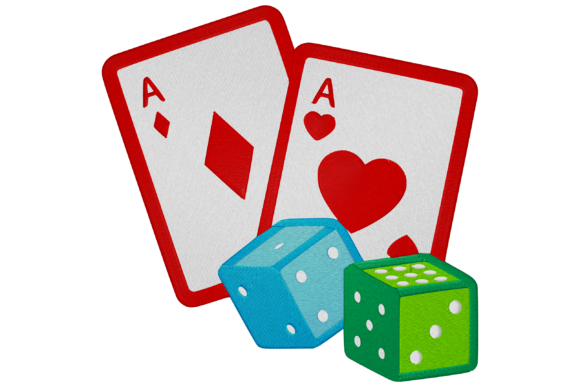
The Gambling Casino design leans into classic casino imagery—dice, cards, chips, maybe a lucky seven—but it doesn’t feel tacky. The shapes are clean, the satin stitch areas are smooth, and the fill stitches give the design a solid presence. The overall mood is confident and celebratory, which makes it a natural fit for game night gifts, birthday presents for card players, or even a branded item for a local poker club. I could see this working on a pillow cover for a man cave, an embroidered patch for a jacket, or a custom apron for a barbecue host who loves blackjack. Despite the “gambling” name, the design is family-friendly in the sense that it’s more about fun than risk—it’s the kind of thing you’d see at a charity casino night or a family game room. The Family category makes sense here if you think of the design as a conversation starter for shared activities.
Real-Life Scenario: Stitching a Custom Tote Bag for a Client
Last week, a regular client asked me to create a gift for her husband’s birthday—a heavy-duty tote bag he could take to his weekly poker game. We decided on the Gambling Casino design because it matched his sense of humor without being too loud. I hooped the bag with a medium-weight stabilizer (the fabric was a sturdy cotton canvas) and used a 5x7 hoop because the largest of the six sizes fit perfectly. The stitching went smoothly: the satin stitch outlines on the dice and chips came out crisp, and the fill stitches didn’t pucker the canvas. The five thread colors—black, red, gold, white, and a dark green—popped against the natural beige fabric. The client loved the result, and her husband got compliments the first time he used the bag. That’s the kind of real-world performance I look for: a design that looks good after stitching, holds up through daily use, and makes the recipient smile.
How Gambling Casino Performs on Different Products
I’ve tested this embroidery file on several substrates to see how it adapts. On a sweatshirt, the design sits nicely on the chest or back, and the stitch density is moderate enough that it doesn’t pull the knit fabric out of shape. On a t-shirt, I recommend using a cutaway stabilizer and a light topping to prevent the stitches from sinking into the weave. The design also works well on tote bags, aprons, and even baby clothes (yes, I’ve seen casino-themed baby onesies—parents love a quirky gift). The key is to choose the right size from the six available options. For a cap, you’ll want the smallest size, and even then, be careful with the curved surface: the design has some detailed corners (like the edges of the card symbols) that can distort if the hoop isn’t perfectly aligned. For patches, this design is excellent—the satin stitch border is wide enough to create a clean edge, and the five colors give it depth.
Where to Use This Design Carefully
Not every project is ideal for Gambling Casino. If you’re working with a very small hoop (like 4x4), the smallest size might still be too large, or the details might become crowded. I’d advise checking the actual dimensions before committing. The design also has areas of dense stitch work, especially around the chip stacks and the dice faces. On thin or stretchy fabrics like lightweight jersey, you’ll need a good stabilizer to avoid tunneling or puckering. Dark fabrics can be tricky too: the black and dark green threads will disappear into a black background, so you’ll want to use a contrasting thread color or a light fabric base. For layered garments like a hoodie with a front pocket, make sure the hoop area is flat and free of extra seams. And if you’re planning to sell finished products, always test the design on a scrap piece of the same fabric first—this gives you a chance to adjust tension, thread type, and stabilizer choice before committing to the final product.
Impact on Visual Appeal, Product Value, and Customer Trust
When a customer sees a well-stitched Gambling Casino design on a handmade product, it immediately signals quality. The clean lines and balanced colors make the item look intentional, not like a quick heat transfer. That translates to higher perceived value, which is crucial for small shop owners and Etsy sellers. I’ve noticed that designs with a clear theme and strong contrast tend to sell better at craft fairs, and this one fits that bill. It’s also giftable—people buy these for friends who love poker, blackjack, or just a fun night out. As a designer, I feel confident offering this as a commercial embroidery design because the stitch quality is consistent across sizes, and the colors are easy to match with common thread brands. The only thing I’d caution is to check the licensing before using it in a commercial project or selling digital products. The description says it’s a high-quality digital file, but I always verify whether the license allows for unlimited physical sales or if there are restrictions on mass production.
Practical Designer Notes Before You Stitch
Before you load the Gambling Casino embroidery file into your machine, here are a few tips I’ve picked up from working with it:
- Test on scrap fabric first. Even if you think you know how the design will behave, every fabric is different. Run a quick test on a sample piece with the same stabilizer you plan to use.
- Check thread color contrast. The five colors are preset, but you can substitute if your brand doesn’t match exactly. Make sure the lighter colors (white, gold) stand out against the darker ones (black, red, green).
- Review stitch density. If the design feels very dense in certain areas, consider using a lighter-weight fill or reducing the stitch count in your software (if allowed). Dense areas can cause thread breaks or fabric distortion.
- Confirm hoop size. With six sizes available, measure your hoop and the garment area before deciding. The largest size might need a 6x10 hoop, while the smallest might fit in a 4x4.
- Inspect small details. The design has some fine elements (like the numbers on the dice or the suit symbols on cards). If the design is too small for your project, those details may blur or lose definition. Always check a mockup at the intended size.
- Test in black and white. Print the design in grayscale to see if the contrast is strong enough for the intended fabric. This helps spot potential readability issues before stitching.
- Use proper stabilizer. For most woven fabrics, a medium-weight cutaway works well. For knits, add a layer of tearaway on top. For caps, a stiff cutaway is essential to keep the design from warping on the curved surface.
Final Thoughts on Gambling Casino for Your Embroidery Business
After several projects, I can say that Gambling Casino is a solid addition to any digital embroidery file collection. It’s versatile enough for custom apparel, tote bags, pillows, and patches, and the five-color palette is easy to work with. The design feels professional without being boring, and it appeals to a specific niche that tends to be loyal and enthusiastic about their hobbies. If you’re an Etsy seller or a small shop owner looking for a design that stands out at a craft fair or in an online listing, this one is worth considering. Just remember to test it first, pay attention to fabric and stabilizer choices, and respect the licensing terms. With the right preparation, Gambling Casino can become a reliable asset for your craft business, adding a little fun and a lot of personality to every finished product.