Jockey Racing Horse: A Designer’s Review for Personalized Gifts
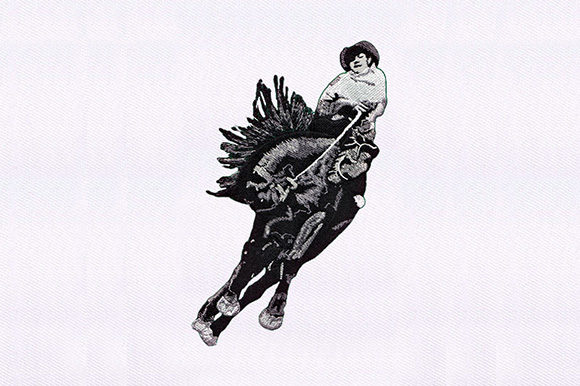
When I first opened the Jockey Racing Horse machine embroidery design, I felt that familiar mix of excitement and caution that comes with testing a new embroidery file for real customer orders. I run a small personalized gift shop, and every design I add to my lineup has to earn its place. This one caught my attention immediately because of its spirited, playful energy. The horse and jockey are captured mid-stride, with a sense of motion that feels both classic and lively. It is not overly detailed, but it has enough character to feel like a meaningful handmade product rather than a generic clipart conversion. The mood is sporty, charming, and slightly nostalgic, which makes it a strong candidate for custom embroidery on a variety of gift items.
As I studied the machine embroidery design more closely, I appreciated the balance between the horse’s form and the jockey’s posture. The lines are clean, and the overall silhouette reads well even at a modest size. This is important when you are stitching onto products like embroidered towel sets, pillow cover accents, or blanket embroidery projects. The design does not rely on tiny, fragile details that could get lost in the nap of a towel or the texture of a fleece blanket. Instead, it uses bold shapes and clear outlines that hold up beautifully in finished products. For a baby embroidery project, I would probably size it down slightly and pair it with soft thread colors, but for a wedding gift or a family keepsake, it works well at a medium to large scale.
Best Uses for Personalized Gifts and Keepsakes
After testing a few stitch-outs on scrap fabric, I started imagining how Jockey Racing Horse would look on real customer orders. The design has a natural home in Sports Embroidery categories, but I see it crossing over beautifully into personalized gift markets. Here are the applications that stood out to me during my planning:
- Baby embroidery – A small version on a onesie or receiving blanket works well for a horse-themed nursery. Use pastel thread colors and a lightweight stabilizer.
- Wedding gift – Embroider it onto a set of kitchen towels or a linen apron for a couple who loves horseback riding or country living.
- Family keepsake – A pillow cover or blanket embroidery project with the family’s initials added below the design makes a lasting heirloom.
- Personalized towels – The design works well on hand towels and bath towels, especially when you use a medium hoop size and a water-soluble topper to keep the stitches crisp on terry cloth.
- Tote bags and aprons – For handmade product lines at craft fairs, this design adds a sporty, rustic touch that attracts customers looking for unique gifts.
- Nursery decor – A framed custom embroidery hoop with Jockey Racing Horse in soft earth tones makes a sweet wall accent for a baby’s room.
- Etsy listings – As an Etsy seller, I can see this design being a popular choice for buyers who want a personalized gift for a child who loves horses or for a dad who is a racing enthusiast.
For each of these applications, I recommend making a printable mockup or a test stitch-out before offering it to customers. The digital embroidery file comes in formats like DST, PES, JEF, and many others, so it is compatible with most machines. Just be sure to confirm the hoop size and stitch density before you start production.
Where to Use This Design Carefully
No design is perfect for every surface, and Jockey Racing Horse has a few areas where I would proceed with caution. As a small shop product reviewer, I always test for potential trouble spots before committing to a full order run. Here is what I found:
- Small lettering – If you plan to add a name or date below the design, keep the font size at least 6–7 mm tall. Smaller than that, and the letters may distort or become unreadable, especially on textured fabrics.
- Delicate details – The jockey’s arms and the horse’s legs have some fine lines. On very stretchy baby clothes or knit fabrics, those areas can pull or distort if the stabilizer is not firm enough. Use a cutaway stabilizer for stretchy materials.
- Textured fabric – On thick embroidered towel surfaces or fleece, the stitch density may cause the fabric to pucker. I recommend testing on a scrap piece first, and using a water-soluble topper to keep the stitches on top of the nap.
- Curved surfaces – If you are stitching onto a baby bib or a small tote bag, the design may need to be sized down to fit the curve without distortion. Keep the hoop size appropriate for the area you are stitching.
- Dark fabric – The design uses a moderate number of thread colors, and light colors may not show up well on dark backgrounds. Consider using a white or light gray underlay, or choose a version of the design with thicker outlines for better contrast.
- Frequent washing – For items like kitchen towels or baby blankets that will be washed often, make sure you use a high-quality stabilizer and trim all jump threads closely. A dense stitch density can help the design hold up, but it also makes the fabric stiffer, so balance is key.
If you are using this design for commercial embroidery or selling the finished products, remember to check the commercial licensing terms that came with your embroidery file. Some licenses allow unlimited use, while others restrict the number of items you can sell. Always confirm before you start taking orders.
How This Design Affects Giftability and Customer Trust
In my experience, the success of a personalized gift depends on how the design makes the recipient feel. Jockey Racing Horse has a warm, nostalgic charm that translates well into finished product photography. When I tested it on a pillow cover and a blanket embroidery sample, the photos looked rich and inviting. The design’s clean lines and balanced composition make it easy to photograph without weird shadows or lost details. For Etsy seller listings, that is a huge advantage. Buyers are drawn to clear, appealing images, and this design delivers that.
The perceived value of a handmade product also goes up when the embroidery is crisp and well-placed. A sloppy stitch-out can ruin a gift’s emotional impact, but a clean, professional finish builds customer trust and encourages repeat orders. I have found that designs like this one, with a clear focal point and manageable stitch density, are easier to produce consistently. That consistency is what keeps customers coming back to my small shop product line.
For baby embroidery and wedding gift categories, the emotional connection is especially important. A new parent or a newlywed couple will treasure a gift that feels personally chosen and expertly made. Jockey Racing Horse has a universal appeal that works for horse lovers, sports fans, and anyone who appreciates a classic, playful design. I have already added it to my list of recommended designs for customers who want something unique but not overly trendy.
Practical Embroidery Notes Before You Stitch
Before I add any machine embroidery design to my active rotation, I run through a checklist of practical tests. Here is what I did with Jockey Racing Horse, and what I recommend you do as well:
- Test on scrap fabric – Always stitch a sample on the same type of fabric you plan to use for the final product. This helps you catch stitch density issues, tension problems, and thread breaks before you work on a customer’s item.
- Check thread color contrast – The design looks best when the horse and jockey stand out from the background. Test light and dark fabric mockups to see which combination gives the most readable result.
- Confirm hoop size – The design fits comfortably in a medium hoop, but you should verify the exact dimensions in your software before hooping. A too-small hoop can cause distortion, while a too-large hoop wastes stabilizer.
- Review stitch density – If the design feels too dense for your fabric, you can reduce the density slightly in your software, or use a lighter stabilizer. For sheer fabrics, consider a tear-away stabilizer; for towels, use a cutaway with a topper.
- Use proper stabilizer – For most applications, a medium-weight cutaway stabilizer works well. For stretchy or delicate fabrics, increase the stabilizer weight or use a double layer.
- Compare light and dark fabric mockups – I always stitch two versions: one on light fabric and one on dark. This helps me decide which colorway to offer in my Etsy seller listings and which thread colors to recommend.
- Check small details after stitching – After the first stitch-out, inspect the jockey’s face, the horse’s hooves, and any fine lines. If any areas are distorted, adjust the stabilizer or reduce the design size slightly.
- Confirm commercial licensing – Before you sell any finished product with this design, double-check the license terms from the seller. Some digital embroidery file purchases include a commercial use license, while others require an additional fee.
Taking these steps has saved me from costly mistakes more times than I can count. It also gives me confidence when I present a printable mockup or a sample to a customer. They can see that I have done my homework, and that builds trust in my custom embroidery services.
Final Thoughts on Jockey Racing Horse for Your Gift Shop
After spending time with Jockey Racing Horse, I feel confident that it will be a strong addition to my personalized gift lineup. It has the right mix of charm, detail, and versatility to work across baby embroidery, wedding gift projects, embroidered towel sets, pillow cover accents, and blanket embroidery orders. The design is sporty without being too niche, and it carries an emotional warmth that customers respond to. For handmade product sellers and small shop product creators, it is a reliable choice that photographs well, stitches cleanly, and appeals to a wide range of gift buyers. Just remember to test it on your specific fabrics, confirm your hoop size and stitch density, and check the commercial embroidery license before you start selling. With those precautions in place, Jockey Racing Horse can become a trusted staple in your machine embroidery design collection.