Cute Girl Spreading Hands: A Designer’s Review for Craft Fair Sellers
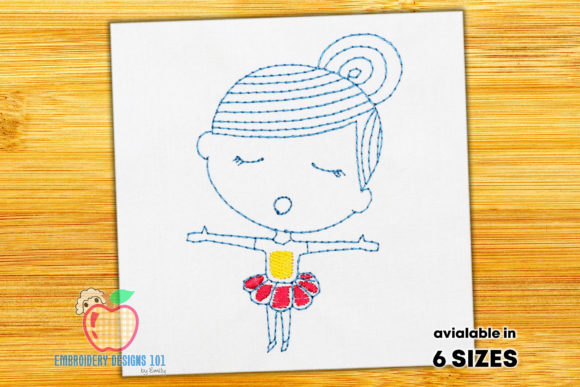
When I first opened the Cute Girl Spreading Hands machine embroidery design, I was immediately struck by its playful, sketch-like charm. The design depicts a small figure with arms outstretched—a simple, open pose that feels both welcoming and full of energy. As an experienced embroidery designer who has prepped countless products for weekend craft fairs, I know that this kind of clear, expressive silhouette can be a powerful draw for handmade market shoppers. The product description tells us it’s a “Quick Stitch” design, offered in multiple sizes, and that it is “not 100% filled.” That last detail is a goldmine for production efficiency. Let me walk you through how I would evaluate Cute Girl Spreading Hands before turning it into finished goods for my booth.
First Impressions: Mood, Style, and Customer Appeal
From the title and description, Cute Girl Spreading Hands reads as a minimal, sketch-style design. It’s not a dense, richly filled embroidery; instead, it looks like a hand-drawn outline with a few open areas. This gives it a light, airy, and slightly whimsical feel—perfect for a farmhouse, modern, or casual aesthetic. It is not overly cute in a cartoonish way, nor is it elegant or premium. Rather, it sits comfortably in the “everyday sweet” category. For a craft fair booth, this means it can appeal to parents looking for a simple gift for a child, or to anyone who appreciates a clean, uncluttered design. The Boys category suggests the design might be used on boy-oriented products, but the “cute girl” pose is universal enough to work for any gender, especially when paired with the right fabric and colors.
At a glance, the design is instantly readable. The spreading hands create a sense of openness and joy. Customers walking by a display will likely pause because the image is easy to process in a split second—a critical advantage at a busy market. It’s the kind of design that makes people smile, and that emotional hook is what drives impulse purchases.
Where This Design Shines: Best Products for Your Booth
Based on my experience, Cute Girl Spreading Hands performs best on products where its open, sketch-like quality can be appreciated. Here are my top recommendations for your craft fair inventory:
- Tote bags – A medium-sized tote with the design centered makes a fantastic everyday bag. The sketch style doesn’t overwhelm the fabric, and the quick stitch time means you can produce a batch quickly.
- Aprons – Whether for a child’s cooking apron or a kitchen apron for a parent, this design adds a cheerful touch. It works well on the chest pocket area or as a central motif.
- Tea towels – The open stitch count is ideal for tea towels, which can be tricky with dense designs. This one will stitch smoothly and still look crisp after washing.
- Embroidered patches – Because the design is not 100% filled, it makes a lightweight, flexible patch that can be sewn onto bags, jackets, or backpacks. Patch versions are a popular, low-cost add-on at craft fairs.
- Pillow covers – A small accent on a throw pillow can add a playful touch to a nursery or child’s room. The sketchy lines feel artistic and modern.
- Small pouches and gift items – Think coin purses, pencil cases, or cosmetic bags. The design’s small size options make it perfect for these quick-turn products.
I would also consider using it on caps with careful placement, but the curved surface requires a bit of extra attention. The design’s open areas help it follow the cap’s shape without distorting as much as a dense fill would.
Selling at the Craft Fair: Visual Impact and Display Strategy
When preparing your booth table, place products featuring Cute Girl Spreading Hands at eye level. The outstretched arms naturally draw the eye outward, making the design a strong focal point. I recommend using one statement piece—like a large tote bag—as a sample that customers can see from a distance. Then, have smaller items (patches, pouches, towels) in a basket nearby for easy browsing.
The design photographs well for online listings because its simple lines remain clear even in smaller images. If you sell on Etsy or through your own website, take advantage of the open stitch style by photographing it against a solid background. The design’s minimal nature also means it works beautifully in printable mockups—you can slap it onto a digital tote photo and it looks realistic without needing heavy editing.
For batch production, this is a dream design. Because it’s a quick stitch and not heavily filled, you can run multiple pieces in a single session without worrying about thread breaks or excessive machine wear. That efficiency translates directly into higher profit margins, especially if you’re selling at a lower price point to attract impulse buyers.
Production and Practical Considerations
Before you stitch out a hundred pieces, you need to test the Cute Girl Spreading Hands embroidery file on your actual fabric. The description says it’s not 100% filled, which means the stitch density is low. This is generally good for light to medium-weight fabrics like cotton, linen, or quilting cotton. However, keep these points in mind:
- Dense stitch areas – Even though the design is open, check for any areas where a lot of stitches overlap (like the ends of the arms or the head). Run a test stitch on scrap fabric to ensure the fabric doesn’t pucker.
- Tiny details – If the design includes small facial features or fingers, they may lose clarity at very small sizes. Use the multiple sizes provided, and avoid going below the smallest recommended hoop size for your machine.
- Textured towels – On terry or waffle towels, the open lines might sink into the loops. Use a tear-away stabilizer and a sharp needle to keep the stitches crisp.
- Dark fabric – The sketch style is often stitched in a single color (like black or dark gray). If you use dark fabric, switch to a lighter thread color for contrast, or consider a white outline to make it pop.
- Curved caps – If you attempt caps, hoop the design in a cap frame and reduce the size slightly to avoid distortion. The open areas help, but test first.
Because the design is quick stitch, you don’t need a heavy-duty stabilizer. A medium cut-away or tear-away stabilizer should work fine for most fabrics. Always check the hoop size requirements for each of the multiple sizes. Some may require a larger hoop than your machine can handle, so plan your production accordingly.
Designer’s Notes: Before You Go to Market
As a professional, I always run through a checklist before committing to a new digital embroidery file for commercial use. Here’s what I recommend for Cute Girl Spreading Hands:
- Test on scrap fabric – Use the exact fabric you plan to sell. Check stitch quality, thread tension, and how the design looks after washing.
- Check thread contrast – The sketch style relies on good contrast. Try a dark thread on light fabric, or a bright pink/blue on white for a fun twist.
- Review spacing – Make sure the design has enough room around it for hemming or seam allowances, especially on small items like pouches.
- Confirm hoop size – The design comes in multiple sizes, but you’ll need to know which hoop fits your machine. Write down the dimensions for each size.
- Inspect stitch density – Even though it’s not 100% filled, run a density report in your software if possible. You want to avoid any areas with too many stitches per inch that could cause thread breaks.
- Use the right stabilizer – For most applications, a medium-weight cut-away stabilizer will give you the best results. For towels, use a water-soluble stabilizer on top to prevent loops.
- Create at least one real mockup – Don’t rely solely on digital previews. Stitch out a sample, photograph it, and use that in your Etsy listings or social media.
- Compare fabric colors – The design might look completely different on a navy blue tote versus a natural linen one. Test a few options to see which sells best.
- Confirm commercial licensing – Before you sell any finished products, review the license terms that came with the embroidery file. Some designers allow unlimited commercial use, others require a separate license. Make sure you’re covered.
One more tip: Because this design is sketch-like and minimal, it pairs well with additional design assets like a small heart, a name, or a simple phrase. You could offer personalization at your booth for an extra charge—just add a name in a coordinating font. The open nature of the “Cute Girl” leaves room for customization without cluttering the piece.
Final Thoughts for Your Handmade Business
Cute Girl Spreading Hands is a versatile, production-friendly design that has real potential as a craft fair product. Its quick stitch, open style, and cheerful pose make it a strong candidate for tote bags, tea towels, aprons, and patches—items that are always in demand at handmade markets. The Boys category hint means it can be marketed toward boys’ clothing or accessories, but don’t limit yourself. The design’s universal appeal means it will sell well to anyone looking for a cute, simple embroidery.
From a business perspective, the low stitch count reduces your labor cost per item, allowing you to price competitively while maintaining a healthy margin. The design’s clear silhouette also makes it easy to photograph for online shops, which is a major plus for Etsy sellers and small shop product lines.
I’ve seen many designs that look great on screen but fail in production. Cute Girl Spreading Hands is not one of those. It’s a thoughtfully designed machine embroidery design that respects the reality of commercial embroidery. With a little testing and the right stabilizer, you can confidently add it to your booth lineup and watch customers reach for that smiling, spreading girl.