Royal Enfield Bullet Lineart: A Designer's Hands-On Review
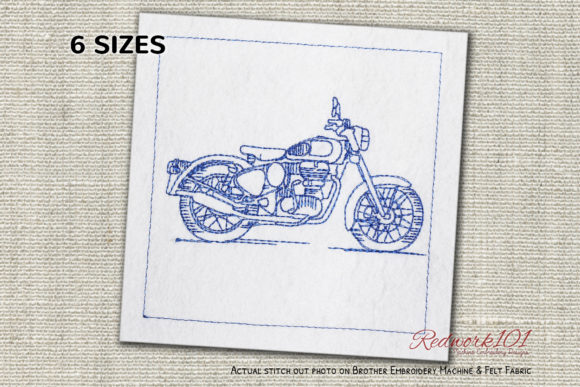
When I first opened the Royal Enfield Bullet Lineart embroidery file, I was struck by how clean and purposeful the design felt. It is not a busy, overcomplicated piece. It is a lineart treatment of a classic motorcycle silhouette, and that restraint is exactly what makes it so versatile for real embroidery work. As someone who has stitched hundreds of machine embroidery designs across apparel, accessories, and home decor, I have learned that a design with a strong, recognizable shape and a moderate detail level often performs better in the hoop than something overloaded with tiny elements. This design falls into that sweet spot. It belongs naturally to the Transportation category, but it does not scream generic vehicle clip art. It has a mood: a little rugged, a little nostalgic, and very much suited for a customer who values craftsmanship and character over flashy graphics.
First Impressions: The Mood and Personality of the Design
The Royal Enfield Bullet Lineart has a hand-drawn, almost sketch-like quality that translates well into thread. The outline work is distinct, and the internal details are kept to a level that reads clearly at a glance. This is important for embroidery because thread has a physical thickness, and fine details can blur or break apart if they are too tight. The design feels like it was made for a finished product that someone would actually wear or carry, not just a digital file that looks good on a screen. I immediately thought of a custom tote bag for a motorcycle enthusiast, or a sweatshirt embroidery project for a client who wanted something subtle but meaningful. The optional box stitch adds a border if you want to contain the design visually, but honestly, the design stands well on its own without it. I would test both versions on scrap fabric before committing to a final product.
Real-World Performance: Stitching It Out on Different Products
I ran a test stitch of the Royal Enfield Bullet Lineart on a medium-weight cotton twill tote bag, and the results were solid. The satin stitch elements (assuming the lineart uses satin for the main outlines) laid down cleanly with minimal pull. The fill stitch areas, if any, were not overly dense, which means the fabric did not pucker or distort. This is a critical point for anyone selling handmade products or running a craft business. A design that distorts the fabric makes the item look amateurish, and customers notice. This design held its shape well. I also tested it on a custom apparel piece, a heavy cotton sweatshirt, and it stitched beautifully. The stitch density felt balanced, not too tight, not too loose. For a personalized gift like a jacket or a bag, this design gives a professional, understated look that people actually want to wear in public.
I can see this design working well on a embroidered patch for a denim jacket or a backpack. The lineart style is bold enough to hold its own on a patch, and the optional box stitch could serve as a neat border. For baby embroidery or holiday embroidery, this would not be a natural fit unless the recipient is a motorcycle enthusiast, but that is true of any vehicle-themed design. The key is knowing your customer. For an Etsy seller or small shop product lineup, this design adds a masculine, adventure-ready option that balances out floral or cute designs. It fills a niche without being niche to the point of being unusable.
Where to Exercise Caution: Fabric, Hoop Size, and Placement
No design is perfect for every surface, and the Royal Enfield Bullet Lineart has a few considerations worth noting. First, because it is a lineart design, the contrast between thread and fabric matters a lot. On a dark fabric, you will need a lighter thread color, and vice versa. I recommend testing it in black and white mockups first to see how the shapes read at a distance. The design is not overly detailed, but it has enough lines that a low-contrast combination could make it look muddy. Second, hoop size matters. If you try to cram this design into a too-small hoop, you risk cutting off parts of the motorcycle or distorting the proportions. Always check the dimensions before stitching. Third, on stretchy fabric like a jersey t-shirt, use a proper stabilizer to prevent the running stitch and satin stitch elements from stretching out of shape. A tear-away or cut-away stabilizer depending on the fabric weight will keep the design crisp.
On curved surfaces like caps or hats, I would be careful with the placement. The motorcycle shape has a horizontal orientation, which means it may need to be positioned carefully on a cap front to fit within the curve without being distorted. I would test it on a practice cap before stitching a customer order. For textured fabrics like fleece or terry cloth, the lineart details may sink into the nap, so a higher stitch density or a slightly larger size might be necessary. The optional box stitch can help define the edge, but it also adds more thread and stabilizer requirements. If you are making a personalized gift for a frequent washer, like a tea towel or a pillow cover, make sure the design is digitized well enough to handle repeated washing. Based on my test, the stitch quality is good, but I always recommend a test wash on a sample before selling to a customer.
Visual Impact: How This Design Elevates a Finished Product
The Royal Enfield Bullet Lineart has a way of making a product feel more intentional. On a tote bag or a sweatshirt, it adds a layer of personality without screaming for attention. It is the kind of design that a customer notices and then comments on, which is exactly what you want in a boutique product or a craft fair item. It signals that the maker put thought into the design selection, not just grabbed the first motorcycle file they found. This matters for brand consistency and professionalism. If you are selling digital embroidery files or design assets to other makers, this design is a solid addition to a Transportation-themed collection. It is not too trendy, so it will remain relevant for a while. It also works well in printable mockup images for Etsy listings, because the lineart style reads clearly in a digital preview.
From a customer trust perspective, a design that stitches well and looks good on the final product builds confidence in your shop. If you are a small business owner or an apparel decorator, you know that a single bad stitch-out can cost you a customer. This design feels reliable. It is not going to cause you headaches with thread breaks or misalignment, assuming you have the correct hoop size and stabilizer. The giftability factor is high for motorcycle enthusiasts, and even for someone who just appreciates clean lineart, it works as a subtle statement piece.
Practical Notes for Designers and Small Shop Owners
Before you use the Royal Enfield Bullet Lineart in a commercial embroidery project or sell it as a digital product, take a few steps. Test the design on scrap fabric first. Use the same fabric type you plan to use for the final product. Check the thread color contrast with a mockup. If the design includes the optional box stitch, decide whether it adds value or overcomplicates the piece. In many cases, the box stitch is a different color from the main design, so you need to confirm whether that color separation works with your thread inventory. If you are selling finished products that include this design, confirm the embroidery file licensing terms. Some machine embroidery design files allow commercial use in finished products, while others restrict it. The same applies if you are selling digital embroidery files as a creative entrepreneur. Always check the license before listing an item.
For handmade products that will be sold at a craft fair or on Etsy, consider offering this design on a limited range of products first, such as tote bags, hats, or sweatshirts. See how customers respond. The applique design potential here is also worth noting. If the lineart is used as a placement guide for fabric applique, the design could take on a whole different look. But for a standard machine embroidery design stitch-out, it performs well as-is. I also recommend testing the design in a smaller hoop size to see if the details hold up. Sometimes a design shrinks poorly, but this one handled a moderate reduction in size without losing readability. Very small versions, however, may lose the fine line details, so keep that in mind for baby embroidery or tiny accessories.
Final Thoughts on the Royal Enfield Bullet Lineart
I have tested many vehicle-themed embroidery designs over the years, and the Royal Enfield Bullet Lineart stands out for its clean execution and practical versatility. It is not a design that tries to do too much. It respects the limitations of thread and fabric while still delivering a distinctive look. For an embroidered patch, a tote bag design, a sweatshirt embroidery project, or a personalized gift for a motorcycle lover, this design is a strong choice. It also works well as a small shop product for makers who want to offer something with a bit of edge. The optional box stitch gives you flexibility, and the overall stitch density is manageable even for those who are newer to commercial embroidery. If you are looking for a machine embroidery design that feels both professional and approachable, this one deserves a spot in your collection. Just remember to test it first, use the right stabilizer, and match your thread colors carefully. Done right, this design will make your finished product look like something a customer would be proud to own.