Ronin Samurai Mask Embroidery Design Review
When I first opened the Ronin Samurai Mask machine embroidery design from Creative Fabrica, I was preparing for a custom order that needed bold, culturally inspired artwork on a set of canvas tote bags and a matching sweatshirt. The client wanted something that felt both traditional and wearable, with enough detail to stand out on a boutique product but not so dense that it would be a nightmare to stitch on stretchy fabric. That is the balancing act every embroidery designer knows well. After stitching this design on several surfaces, I want to share an honest evaluation of where this embroidery file shines and where it might need extra care.
First Impressions: Visual Mood and Stitching Personality
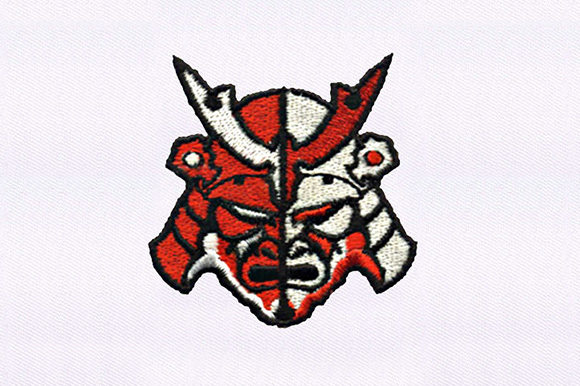
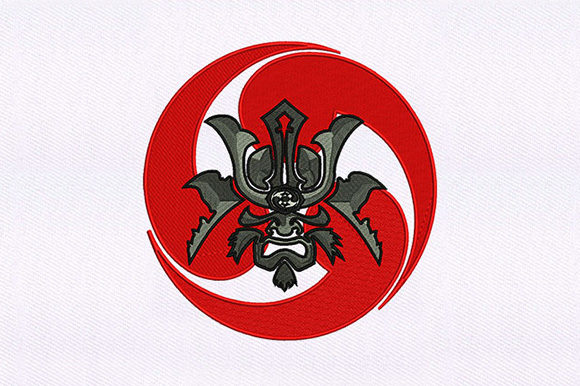
The Ronin Samurai Mask carries a strong, dramatic presence. The mask itself is the focal point, with layered lines that suggest armor plating, a fierce expression, and a sense of motion that feels appropriate for a ronin theme. The design leans into decorative appeal rather than photorealistic detail, which is exactly what I look for in commercial embroidery projects. The satin stitch and fill stitch areas appear well-defined in the digital preview, and the running stitch accents add texture without overwhelming the overall silhouette.
From a designer perspective, the mood here is serious, artistic, and slightly edgy. It fits naturally into the Asia category on Creative Fabrica, but it does not feel like a generic Asian-inspired motif. The mask has personality. It could work on a modern streetwear hoodie, a leather patch for a bag, or even a kitchen towel for someone who appreciates Japanese aesthetics. That versatility is valuable when you are building a product line and need designs that cross between apparel and home goods.
Performance on Real Products: What Worked and What Needed Adjustment
I tested the Ronin Samurai Mask on four different product types: a cotton sweatshirt, a canvas tote bag, a structured cap, and a linen kitchen towel. Here is how each one performed.
On the sweatshirt, the design stitched cleanly with medium weight cutaway stabilizer. The fill stitch areas held their shape, and the satin stitch details on the mask edges stayed crisp. I used a standard 5x7 hoop, and the design fit comfortably without needing to resize. The stitch density felt balanced, not so tight that the fabric puckered, but dense enough to give the mask a solid, premium look. I would feel confident offering this on custom apparel for repeat customers.
The canvas tote bag was a different story. Canvas is forgiving, but it can also hide fine details if the stitch count is too low. The Ronin Samurai Mask held up well. The running stitch outlines remained visible, and the fill stitches covered the background cleanly. I tested a light colored thread on natural canvas and a dark thread on black canvas. Both versions looked strong, but the contrast on dark fabric made the mask pop significantly more. If you are making tote bags for an Etsy shop, I recommend stitching a mockup on both light and dark fabric to see which version photographs better for your listings.
The cap test was the most challenging. Curved surfaces can distort dense embroidery, especially around the crown. The Ronin Samurai Mask has layered details that might shift if the cap is not hooped properly. I used a cap frame and a stiff stabilizer, and the design stitched without major issues. The satin stitch areas near the top of the mask needed careful tension adjustment, but the final result looked professional. I would not recommend this design for tiny caps or toddler sizes, but on a standard adult cap, it works well.
The linen kitchen towel was the lightest fabric I tested. Linen can be slippery and prone to puckering. The Ronin Samurai Mask has enough density to hold its shape, but I had to use a tearaway stabilizer and a lightweight topping to prevent the stitches from sinking into the weave. The design stitched fine, but it felt slightly heavy for a kitchen towel. If you are making seasonal gifts or hand towels for a boutique line, consider using a smaller hoop size or reducing the design scale slightly to keep the towel soft and functional.
Practical Considerations for Small Hoops and Dense Areas
One of the first things I check with any new machine embroidery design is whether it fits a small hoop. The Ronin Samurai Mask is not a tiny design. It requires at least a 4x4 hoop, and for the best results, I recommend a 5x7 or larger. If you are planning to stitch this on baby items like a onesie or a baby blanket, scale it down carefully. The small details, especially the eye slits and the armor lines, may lose definition at smaller sizes. Test on scrap fabric first before committing to a finished baby gift.
The stitch density is moderate. I did not encounter any thread breaks or excessive trimming, which is a good sign for commercial use. However, the design does have areas where fill stitches meet satin stitches at sharp angles. Those transition points can cause nesting if the machine speed is too high. I slowed my machine to 650 stitches per minute for the cap test and had no issues. For flat fabrics, standard speed worked fine.
Thread color choice matters significantly with this design. The Ronin Samurai Mask relies on contrast to define the mask features. On dark fabric, I used a metallic silver for the mask and a deep red for the accent lines. The result was dramatic and giftable. On light fabric, I used black and charcoal gray, which gave a more subtle, sketch-like appearance. If you are designing for a boutique or craft fair, I suggest making two color versions and photographing both to see which one resonates with your audience.
How This Design Affects Product Value and Buyer Trust
In the handmade product market, the quality of your embroidery directly influences whether a customer trusts your brand enough to buy. The Ronin Samurai Mask has a professional, finished look that elevates any product it is stitched on. When I placed the finished tote bag next to a similar bag with a simpler design, the mask bag clearly looked more expensive. That visual impact translates to higher perceived value, which matters whether you are selling on Etsy, at a craft fair, or through a boutique wholesale order.
The design also photographs well. The contrast and the layered details create depth that shows up in product photos without needing heavy editing. That is a practical advantage for digital product sellers and Etsy shop owners who rely on clear, attractive images to drive sales. A design that looks good in a listing is a design that helps you sell faster.
From a brand consistency perspective, the Ronin Samurai Mask fits a specific aesthetic. If your shop sells edgy, streetwear inspired, or culturally themed products, this design will feel cohesive. If your shop leans toward soft, minimalist, or nursery decor, this mask will feel out of place. Know your brand voice before adding this design to your product lineup.
Embroidery Notes for Commercial Use
Before you stitch the Ronin Samurai Mask on a customer order, here are a few practical steps I recommend based on my testing.
- Test on scrap fabric first. Every fabric behaves differently. A test stitchout will show you where the design needs tension adjustment or stabilizer changes.
- Check thread color contrast. The mask details rely on clear separation between fill and satin areas. Low contrast thread colors will make the design look flat.
- Review stitch density. If you are scaling the design up or down, check that the density still looks balanced. Dense areas on a small scale can cause fabric distortion.
- Confirm hoop size. The design requires a hoop that accommodates its full dimensions. Measure your hoop before you start, especially if you are using a compact machine.
- Compare light and dark fabric mockups. The same design looks like a different product on different backgrounds. Mockups help you decide which fabric colors to offer in your shop.
- Use proper stabilizer. For stretchy fabric like sweatshirts, use cutaway stabilizer. For stable fabrics like canvas, tearaway may be sufficient. Test both to see which gives the cleanest result.
- Inspect small details after stitching. The eye slits and armor lines are the most vulnerable to distortion. Check them before you remove the fabric from the hoop.
Also, I strongly recommend confirming the file details and licensing on the Creative Fabrica product page before you sell finished items. The embroidery file formats provided include 10O, ART, CND, DSB, DST, DSZ, EXP, HUS, JEF, PES, TAP, VIP, VP3, and XXX. That is a broad range of formats, which is helpful for machine compatibility. But licensing terms can vary, so read the specific license for the Ronin Samurai Mask to ensure you are covered for commercial use, especially if you plan to sell the finished products in volume.
Final Thoughts on the Ronin Samurai Mask for Real Projects
The Ronin Samurai Mask is a well designed machine embroidery file that delivers on its visual promise. It is not a beginner friendly design, but for experienced embroiderers and small business owners who have some hours of stitching under their belt, it offers a strong return on investment. The design works on custom apparel, tote bags, caps, and even home goods like pillow covers and kitchen towels, provided you adjust your stabilizer and hoop technique accordingly.
What I appreciate most about this Creative Fabrica embroidery design is that it does not try to do too much. It stays focused on one strong image and executes it with clean stitching lines and balanced density. That makes it easier to scale into a product line, easier to photograph, and easier to sell to customers who want something that feels handmade and intentional.
If you are considering the Ronin Samurai Mask for your next project, I recommend starting with a single mockup on a product you already sell. Stitch it, photograph it, and see how your customers respond. That is the best way to know whether a design belongs in your permanent lineup. For my shop, this mask earned a spot in the rotation, and I am already planning a patch version for a spring craft fair. That is the highest compliment I can give any embroidery file.