Mustard Laden Hot Dog Design: A Craft Fair Review
As an embroidery designer who spends more weekends than I care to count behind a craft fair booth, I am always searching for machine embroidery designs that stop shoppers in their tracks. I recently added the Mustard Laden Hot Dog Design to my digital collection, and I want to share my honest, practical review of how this embroidery file performs in the real world of handmade markets. If you are an Etsy seller, a small shop product curator, or a commercial embroidery operator looking for fresh design assets, this review is for you.
First Impressions: Bold, Playful, and Instantly Recognizable
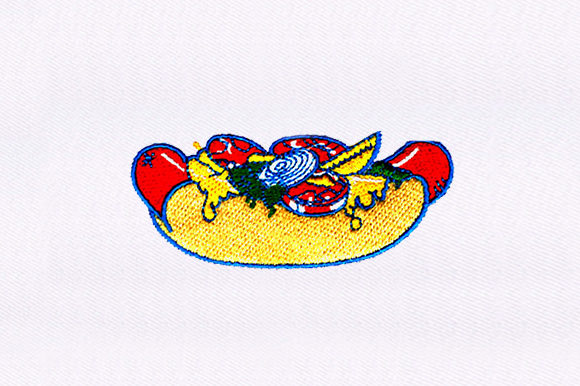
Unboxing the digital file, my first thought was about contrast. The Mustard Laden Hot Dog Design is built around a classic color palette: bright yellow mustard, rich red hot dog, and warm tan bun. This is not a subtle, farmhouse-style piece. It is bold, slightly nostalgic, and undeniably fun. The "mustard laden" aspect suggests a generous, drippy application of mustard, which adds a layer of humor and personality. For a craft fair product, this is exactly the kind of visual hook you need. It communicates a love for classic American comfort food, and it immediately reads as a casual, joyful design. In the Food category of Embroidery designs, this one has serious stopping power.
Where Mustard Laden Hot Dog Design Shines at the Booth
When I prepare my booth display, I think about product variety. This design is remarkably versatile, and I have identified several high-impact applications:
- Tote Bag Design: This is my top pick. A heavy cotton canvas tote featuring this hot dog is a guaranteed conversation starter. It is perfect for grocery shopping or farmers markets, which is a clever tie-in to the food theme.
- Apron Embroidery: Grill masters and backyard cooks will love this. A crisp apron with the Mustard Laden Hot Dog Design stitched on the front bib is an easy sell for summer markets.
- Tea Towel Embroidery: Kitchen textiles are a staple at any handmade market. This design stitches beautifully on linen or cotton tea towels. It adds a playful touch to any kitchen.
- Embroidered Patch: Iron-on patches are a low-cost, high-margin item. Stitch this design onto twill, cut it out with a hot knife, and sell it as a patch. Customers love adding them to jackets and backpacks.
- Embroidered Caps: A structured cap with this design on the front panels is a standout item. Be mindful of the curved surface, but the bold colors hold up well.
- Fabric Pouches & Pillow Covers: Small giftable items like zip pouches or decorative throw pillows featuring this design are perfect for adding variety to your booth.
Production Reality: Stitch Density, Sizing, and Setup
Now, let's talk about the practical side of production. Before you stitch out fifty units, you need to run a test. The Mustard Laden Hot Dog Design has distinct areas of color that require attention to stitch density and thread colors.
Stitch Density: The mustard drips are the defining feature of this design. If the density is too high, it can cause puckering on lightweight fabrics like tea towels. If it is too low, the mustard might look sparse. A test stitch on your chosen fabric is non-negotiable. I recommend using a medium-weight cutaway stabilizer for most applications, especially tote bags and apparel.
Thread Colors: You will need a bright, vibrant yellow for the mustard, a rich red for the hot dog, a soft tan for the bun, and possibly a dark brown or black for outlining. These are standard colors, which is great for inventory management. Check the contrast of your yellow thread against the bun color. You want the mustard to pop.
Hoop Size: The product description does not specify a required hoop size, so you must check the file dimensions. Given the "mustard laden" detail, this design likely requires a 5x7 or larger hoop to capture the full effect. If you scale it down to fit a 4x4, you risk losing the fine details of the drips. Always verify the dimensions before you start production.
Fabric Texture: This design performs best on smooth, stable fabrics like cotton twill, canvas, and linen. Avoid highly textured fabrics like thick terry cloth or loose weaves where the mustard details might get lost. For commercial embroidery batch production, consistency is key, so stick with fabrics you know work well.
Why Customers Stop at Your Booth for This Design
In my experience, food-themed embroidery sells exceptionally well, and the Mustard Laden Hot Dog Design has a specific charm that drives buyer engagement. It is not just a hot dog; it is a hot dog loaded with mustard. That specificity tells a story. It evokes summer barbecues, baseball games, and casual cookouts. Customers will immediately connect with it on an emotional level.
This design works as both a small accent and a large focal design. On a tote bag, it becomes the main attraction. On a pocket or a cap, it is a playful detail. The visual appeal is strong, and it communicates a sense of handmade quality and fun. For brand consistency, if you position yourself as a quirky, food-loving brand, this design is a perfect fit. It will definitely boost customer attention and encourage people to stop and browse your booth.
For your Etsy seller listings, this design is a dream to photograph. The high contrast and bright colors create a stunning printable mockup. I recommend stitching a real product for your design assets photos. Clean, bright images of this hot dog on a tote or towel will convert viewers into buyers.
Before You Stitch: My Pro Tips for a Flawless Finish
As a seasoned designer, I have a strict checklist before I put any digital embroidery file into production. Here are my non-negotiables for the Mustard Laden Hot Dog Design:
- Test on Scrap Fabric: Always. Stitch the design on the exact fabric you plan to use for your finished product. Check the mustard drips for clean stitching and proper tension.
- Check Thread Contrast: Ensure your yellow mustard thread is bright enough. A pale yellow will get lost. Go for a vibrant gold or bright yellow to make the design pop.
- Review Spacing & Details: Look at the spacing between the mustard drips and the hot dog. Ensure there is no overlap that could cause excessive bulk or thread breaks.
- Confirm Hoop Size: Verify the dimensions of the file. Do not assume it fits a 4x4 hoop. Check the file properties before you start.
- Inspect Stitch Density: Run a test stitch and inspect the back of the design. If the fabric is puckering, reduce the density or change your stabilizer.
- Use the Right Stabilizer: For tote bags and aprons, use a medium-weight cutaway. For tea towels, a tearaway might work, but test it first. Hoop the fabric tightly to prevent shifting.
- Compare Fabric Colors: This design works best on light or medium-colored fabrics. On dark fabric, the mustard color might not show up well. Stick with white, cream, light blue, or red fabric.
- Check Your File Formats: This specific embroidery file comes with an extensive range of formats: 10O, ART, CND, DSB, DST, DSZ, EXP, HUS, JEF, PCS, PEC, PES, TAP, VIP, VP3, XXX. Make sure you select the correct format for your machine (e.g., PES for Brother, DST for Tajima, JEF for Janome).
- Confirm Commercial Licensing: Before you sell a single finished product, verify that your machine embroidery design includes a commercial license. This is a legal necessity for any small shop product business.
- Create a Real Mockup: Do not rely solely on a digital preview. Stitch a real mockup, photograph it, and use that image for your booth display and online listings.
Final Verdict: Is It Worth the Hoop Space?
After testing and evaluating the Mustard Laden Hot Dog Design, I can confidently say it is a winner for the handmade product market. It is versatile, visually striking, and taps into a universal love for classic comfort food. Whether you are adding it to a tote bag, a tea towel, or an embroidered patch, it is designed to catch the eye and spark a conversation. It performs well in batch production, photographs beautifully for online listings, and has a strong emotional appeal that drives sales at craft fairs. Just remember to do your due diligence: test your stabilizer, check your hoop size, and confirm your commercial licensing. With the right preparation, this craft fair product can become a bestseller in your booth. I am adding it to my production queue for the upcoming season, and I recommend you do the same.