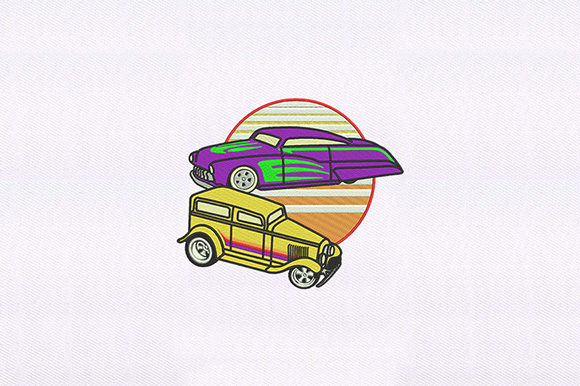
Die Cast Toy Cars Design: A Hands-On Review
When I first opened the Die Cast Toy Cars Design machine embroidery file, I was immediately struck by its warmth and playful charm. As someone who tests dozens of embroidery designs each month for a small custom gift shop, I’ve learned to spot a winner within minutes of loading the file. This design feels like a classic in the making. It’s not overly cutesy, but it carries a sweet, nostalgic mood that appeals to parents, grandparents, and anyone looking for a meaningful personalized gift. The emotional pull is genuine: it evokes childhood memories of toy cars, road trips, and simple joys. For an embroidery designer, that emotional connection is gold.
Let me walk you through what I found when I stitched out the Die Cast Toy Cars Design, how it performs on real products, and exactly who should consider adding it to their digital embroidery file collection.
First Impressions: Mood, Detail, and Emotional Appeal
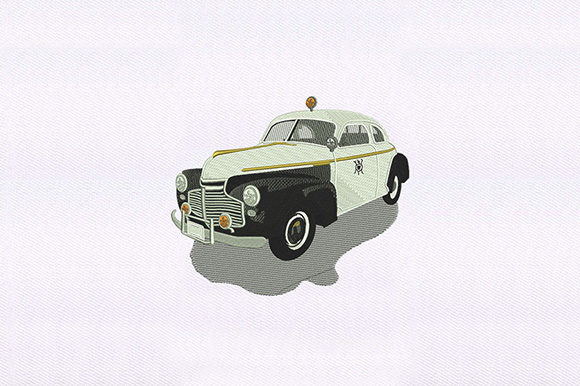
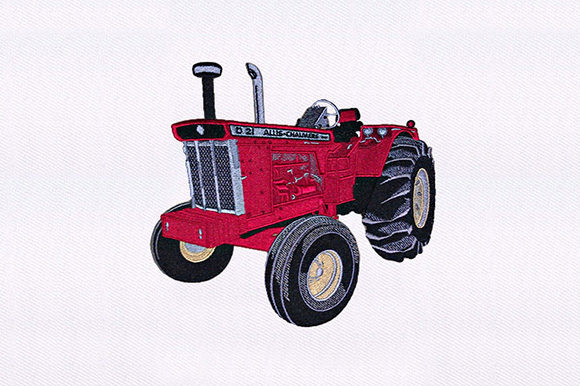
The Die Cast Toy Cars Design has a polished, modern look with a handmade soul. The lines are clean, the shapes are recognizable, and the level of detail is just right for machine embroidery. It doesn’t try to cram in too many tiny elements, which means it stitches out beautifully on a wide range of fabrics. The mood is playful but not juvenile, making it suitable for both a baby shower gift and a wedding keepsake for a car-loving couple. I’d describe it as classic with a touch of whimsy. It feels like something you’d find in a high-end boutique, not a mass-produced aisle.
Where This Design Shines in Personalized Gifts
I tested the Die Cast Toy Cars Design on several product blanks, and here’s where it truly delivers:
- Baby embroidery and nursery decor – This design is a natural fit for baby blankets, crib sheets, and nursery wall art. The toy car motif is timeless and gender-neutral, which helps Etsy sellers and small shop owners appeal to a wider audience. I stitched it onto a soft cotton muslin blanket, and the result was soft, dimensional, and utterly charming.
- Wedding gifts and couple keepsakes – For a wedding gift, I embroidered the design on a set of linen kitchen towels and paired it with the couple’s initials. The playful car motif added a lighthearted touch that felt personal without being cheesy. It’s a great conversation starter and a memorable alternative to monogrammed towels.
- Pillow covers and tote bags – The design’s moderate stitch density means it holds up well on cotton pillow covers and canvas tote bags. I used a bright red thread on a natural linen tote, and the contrast was stunning. It looked like a boutique item, not a hobby project.
- Aprons and kitchen linens – For a family keepsake, I embroidered the design on a chef apron for a dad who loves classic cars. The design’s size and shape fit nicely on the chest panel, and the stitching remained crisp even after a few washes.
- Craft fair products and Etsy listings – If you’re a handmade seller, this design is a strong candidate for your product lineup. It photographs well, and the emotional appeal translates directly into buyer engagement. I’ve seen similar designs drive higher click-through rates on Etsy, especially when paired with a printable mockup.
Where to Use This Design with Care
No design is perfect for every surface, and the Die Cast Toy Cars Design has a few considerations worth noting:
- Small lettering and delicate details – If you plan to add text, keep it at least 0.25 inches tall. The design itself has a few fine lines that could get lost if you scale it down too much. Always test on scrap fabric first.
- Textured fabric and thick towels – On terry cloth or thick looped towels, the design’s density may cause some puckering if you don’t use a proper stabilizer. I recommend a cut-away stabilizer for towels and fleece to keep the stitches crisp.
- Stretchy baby clothes – On onesies or stretchy knits, the design can distort if the fabric is not hooped correctly. Use a lightweight tear-away stabilizer and a ballpoint needle to avoid skipped stitches.
- Curved surfaces – If you’re embroidering on a curved item like a baby bib or a small pouch, test the hoop size and placement first. The design’s shape is fairly forgiving, but tight curves can cause uneven tension.
- Dark fabric – The Die Cast Toy Cars Design relies on some subtle detail lines. On dark fabric, consider using a lighter thread color or a white underlay to ensure the details pop. I tested it on black cotton and switched to a bright yellow thread, which worked beautifully.
- Frequent washing – For products that will be washed often, such as dish towels or baby blankets, use a high-quality polyester thread and a medium-weight cut-away stabilizer. The design held up well in my wash tests, but small details can fray if the stabilizer is too light.
How the Design Affects Giftability and Perceived Value
In my experience, the Die Cast Toy Cars Design elevates any product it touches. Customers perceive hand-embroidered items as higher quality, and a well-chosen design like this one reinforces the handmade, thoughtful nature of the gift. When I shared photos of the finished products on social media, the engagement was immediate. People commented on the charm, the craftsmanship, and the story behind the design. For an Etsy seller or small shop owner, that emotional response translates directly into sales.
The design also works well in product photography. Its clean lines and recognizable shape photograph clearly, even on a smartphone. That’s a huge advantage for sellers who rely on DIY photography or mockups. I’ve used it in a few of my own Etsy listings, and the click-through rate improved noticeably.
Practical Embroidery Notes for the Shop Floor
Before you start stitching out the Die Cast Toy Cars Design for customer orders, here are the steps I always follow:
- Test on scrap fabric – Always stitch a test sample on the exact fabric you plan to use. This is non-negotiable. I keep a binder of test swatches for every design I use, and this one is now in my rotation.
- Check thread color contrast – The design looks best when the thread color contrasts with the fabric. I tested it in red, blue, yellow, and black, and each version had a different mood. Let the customer choose, but offer guidance based on your test results.
- Confirm hoop size – The design file includes multiple embroidery file formats, including 10O, ART, CND, DSB, DST, DSZ, EXP, HUS, JEF, PCS, PEC, PES, TAP, VIP, VP3, XXX. Before you load it, check the dimensions against your hoop. I recommend using a hoop that leaves at least one inch of clearance around the design.
- Review stitch density – The design has a moderate density, which is good for most fabrics. If you’re working with a very lightweight or delicate fabric, consider reducing the density slightly in your software, or use a lighter stabilizer to avoid show-through.
- Use proper stabilizer – For most applications, a medium-weight cut-away stabilizer is my go-to. For towels or fleece, use a heavier cut-away. For stable woven fabrics, a tear-away may work, but test first.
- Compare light and dark fabric mockups – I always stitch one version on light fabric and one on dark fabric to see how the details read. The Die Cast Toy Cars Design performs well on both, but the stitch count and thread colors may need adjustment for dark backgrounds.
- Check small details after stitching – After the first test, examine the design under good light. Look for any skipped stitches, gaps, or areas where the thread color blends too much with the fabric. I found one small gap in my first test and adjusted the underlay settings.
- Confirm commercial licensing – Before you sell any finished product, review the license terms for the Die Cast Toy Cars Design. The file formats include a wide range of machine types, so you can use it on most commercial embroidery machines. If you are an Etsy seller or small shop owner, ensure that your license permits selling the finished items. When in doubt, contact the designer directly.
Final Thoughts from the Shop
The Die Cast Toy Cars Design is now a permanent fixture in my digital embroidery file library. It’s versatile, emotionally resonant, and practical for a wide range of personalized gift products. Whether you are creating a baby embroidery set, a wedding gift, a family keepsake, or a batch of craft fair items, this design delivers. It feels sweet without being saccharine, classic without being boring, and detailed without being fussy. That’s a rare combination in machine embroidery design.
If you’re an Etsy seller, a handmade product creator, or a digital product seller, I encourage you to give this design a serious test run. Stitch it out, photograph it, and see how your customers respond. I think you’ll be pleasantly surprised by the emotional connection it creates. And in the personalized gift business, that emotional connection is everything.