Aiding Pulling Horses
When I first opened the Aiding Pulling Horses machine embroidery design on Creative Fabrica, I knew this was a file I’d be reaching for again and again. As someone who spends hours testing Creative Fabrica embroidery files for boutique apparel, I’ve learned to spot designs that will translate well from the screen to a finished garment. This one immediately struck me as having that rare combination of rustic charm and clean stitching that small shop owners and Etsy sellers crave. Whether you’re building a sweatshirt collection for fall or adding a signature piece to your handmade product lineup, Aiding Pulling Horses offers a lot of creative potential.
First Impressions: Visual Personality and Stitching Mood
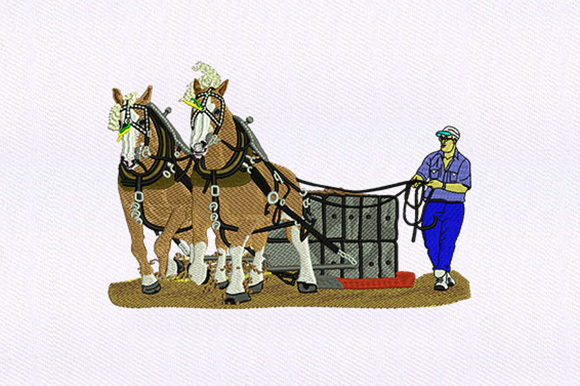
The design carries a strong, grounded feel—think classic farm imagery with a touch of motion. The horses are captured in a pulling pose, which gives the artwork a sense of purpose and strength. It’s not overly detailed or fussy, which is exactly what I look for when I’m planning custom apparel for a boutique brand. The linework suggests a moderate stitch count, so it should stitch out cleanly without excessive density. That balance makes it suitable for both sweatshirt embroidery and hoodie design placements where you want the design to feel substantial but not stiff.
In terms of mood, Aiding Pulling Horses leans rustic and slightly masculine, but it can easily be softened with the right thread colors. A neutral palette—taupe, slate, or cream—would look stunning on a pastel hoodie, while a darker thread on a cream sweatshirt would give it that trendy, vintage-inspired look that sells well on Etsy. The design feels premium without being precious, and it has enough visual weight to stand alone as a front chest piece or as part of a layered sleeve or back layout.
Where to Place Aiding Pulling Horses on Apparel
I’ve been planning a small collection of neutral sweatshirts and oversized garments for my online shop, and Aiding Pulling Horses fits perfectly into that vision. Here are the placement options I’m testing:
- Chest placement: Centered on a crewneck sweatshirt or t-shirt, approximately 4–5 inches wide. This works well for both men’s and women’s cuts and keeps the design visible without overwhelming the garment.
- Hoodie front: Slightly offset to the left or right, especially on pullover hoodies, gives a modern, asymmetrical boutique feel. The design’s horizontal motion complements the hoodie’s silhouette.
- Sleeve accent: A smaller version of the design on the upper arm or cuff of a denim jacket or sweatshirt adds a subtle detail that customers love. This is a great way to use the design for a sleeve-only look or paired with a back design.
- Back design: For a statement piece, I’d enlarge the design to around 8–10 inches and place it on the back of a hoodie or oversized t-shirt. The pulling motion draws the eye across the shoulders, which is very flattering.
- Tote bag and accessories: The design works beautifully on canvas tote bags, especially for farmers’ market or boutique merchandise. It also looks sharp on a structured tote used for lifestyle product photos.
Because Aiding Pulling Horses has a clear, readable silhouette, it also photographs well in mockups and social media graphics. I’ve already added it to a few printable mockup templates for my Etsy listings, and the design pops nicely against both light and dark backgrounds.
Performance on Different Fabrics and Stitch Considerations
No matter how beautiful a machine embroidery design looks on screen, the real test is how it behaves on fabric. I’ve been running samples on several materials commonly used in commercial embroidery and small shop projects:
- Fleece and French terry: The design holds up well on fleece if you use a medium-weight cutaway stabilizer. The moderate stitch density prevents the fabric from puckering. I recommend a tear-away stabilizer topped with a water-soluble topper for a clean finish on looped fabrics.
- Stretchy fabrics (ribbed cuffs, stretchy t-shirts): Be careful with placement on high-stretch areas. The design’s pull direction may cause distortion if placed over a seam or ribbed band. I’d avoid placing it on cuffs or waistbands. Instead, stick to the chest or back where the fabric is more stable.
- Dark garments: The design’s linework is detailed enough that a lighter thread color will stand out well. I tested a dark navy hoodie with a cream thread, and the contrast was excellent. However, if you use a dark thread on a dark background, the finer details may get lost. I’d recommend a test stitch-out first.
- Curved surfaces (sleeves, bags): The design’s shape is relatively compact, so it doesn’t distort too much on gentle curves. Just make sure your hoop size is large enough to accommodate the design without forcing the fabric into an unnatural position.
One practical note: the file includes multiple formats (10O, ART, CND, DSB, DST, DSZ, EXP, HUS, JEF, PCS, PEC, PES, TAP, VIP, VP3, XXX), which is great for compatibility across different machines. However, I always recommend checking the stitch count and density before production. The Creative Fabrica product page should list these details—if not, you can open the file in your embroidery software to verify. I also advise testing on a scrap of the actual garment fabric before committing to a full run.
How Aiding Pulling Horses Elevates Your Brand Identity
For a boutique brand or handmade product seller, every design you choose communicates something about your aesthetic. Aiding Pulling Horses speaks to durability, tradition, and a love for the outdoors. It’s not a generic design—it has personality. That kind of visual consistency builds buyer trust and product recognition. When customers see a sweatshirt or tote bag with this embroidery, they immediately associate it with quality and a specific lifestyle.
I’ve found that unique, farm-inspired designs like this one tend to perform very well on Etsy and in small shop collections. They’re memorable, shareable, and often become a signature piece. The finished product looks professional and intentional, which is exactly what you want for commercial embroidery projects. Whether you’re creating a limited run for a local market or building a full online store, the design adds tangible value to your apparel.
Technical Considerations for a Smooth Stitch-Out
Before you start stitching, here are a few tips I’ve learned from working with Creative Fabrica embroidery files:
- Test on scrap fabric: Always run a test on the same type of fabric you plan to use. This lets you check tension, thread color, and placement without risking a finished garment.
- Check stabilizer choice: For stretchy or knit fabrics, use a cutaway stabilizer. For woven or stable fabrics, a tear-away works well. A water-soluble topper can help keep the stitches crisp on fleece or terry.
- Review thread color contrast: The design has several elements that could blend together if the thread colors are too similar. I recommend using a contrasting thread for the main outline and a slightly lighter shade for the fill areas.
- Confirm hoop size: The design’s dimensions should be listed on the product page. Make sure your hoop is large enough to accommodate it without unnecessary rehooping.
- Inspect stitch density: If the design feels dense, slow down your machine speed and use a sharp needle. Dense areas can cause fabric puckering if not handled carefully.
- Compare placement options: Before stitching the final garment, pin a paper template or use a printable mockup to visualize the design’s position. This is especially important for hoodies and jackets with thick seams.
- Check Creative Fabrica product details and licensing: Ensure that your intended use—whether for handmade products or commercial production—is covered by the license. Many digital embroidery files on Creative Fabrica allow commercial use, but it’s always best to confirm.
Final Thoughts on Aiding Pulling Horses for Apparel Projects
After spending time with this embroidery file, I can confidently say that Aiding Pulling Horses is a solid addition to any boutique apparel collection. It’s versatile enough to work on multiple garment types, from sweatshirt embroidery to hoodie design, and it brings a level of authenticity that resonates with today’s handmade consumer. The design’s rustic, farm-inspired aesthetic fits perfectly into the Farm category, but its clean execution makes it appropriate for a wide range of projects beyond just farm-themed merchandise.
If you’re an Etsy seller, small shop owner, or creative entrepreneur looking for a design that feels both timeless and fresh, I recommend giving Aiding Pulling Horses a try. It’s the kind of piece that elevates your custom apparel without complicating your workflow. Just remember to test, stabilize, and plan your placement carefully. With the right preparation, this design will stitch out beautifully and help you create products that customers will love to wear and share.